Understand what the reactor is intended to do
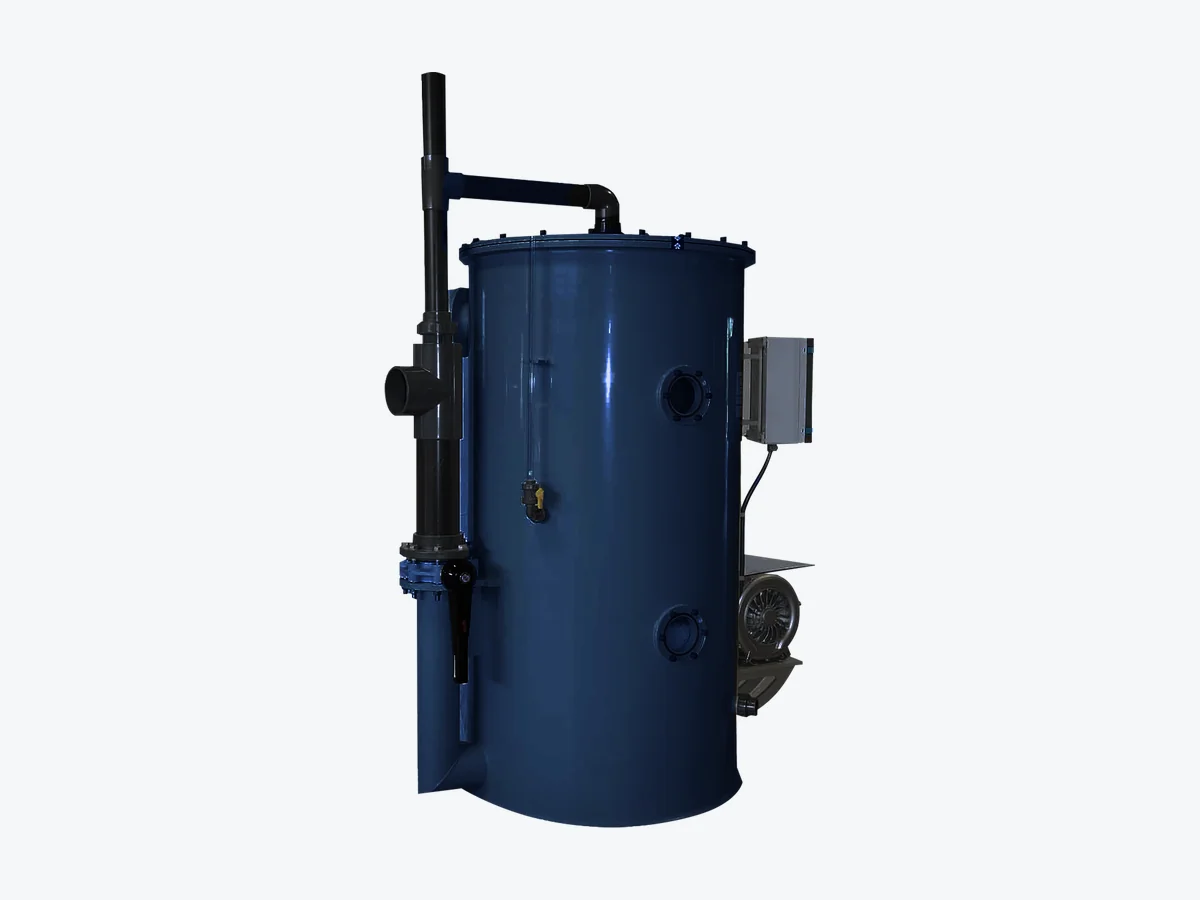
A moving bed biofilm reactor, usually shortened to MBBR, provides carriers on which microorganisms can establish an attached biofilm. In an aerobic RAS biofilter, the central duty is nitrification: conversion of ammonia through nitrite to nitrate. Aeration also moves the carriers and brings water into contact with their surfaces. This biological function should be described separately from mechanical filtration. A carrier’s advertised surface area does not by itself establish treatment capacity. The useful question is how the complete reactor is expected to perform at the project’s temperature, salinity, water chemistry and loading.
Translate production into a stated design load
Begin the sizing discussion with peak daily feed and feed composition, together with the expected biomass schedule. Ask the designer to state the assumed ammonia production and the evidence behind the selected conversion rate. Distinguish carrier volume, reactor volume and effective biofilm area; each answers a different engineering question. A quotation should make these assumptions traceable rather than presenting one unexplained tank size. If production will start below full capacity, request an expansion plan that identifies when carriers, aeration or additional reactor modules would be needed. This makes later operational changes easier to assess.
Check aeration, circulation and carrier retention
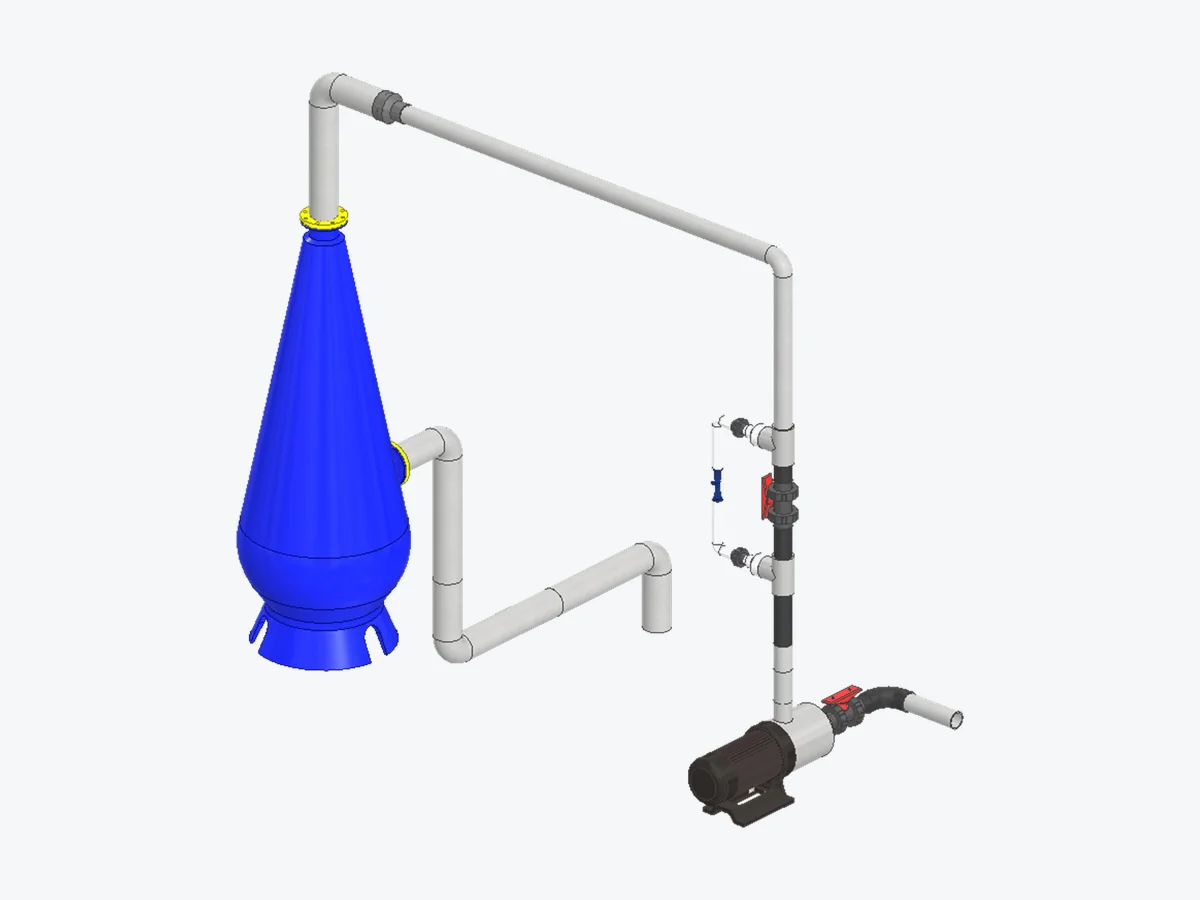
A practical MBBR needs the intended carrier motion throughout its working volume, without excessive dead zones or media escape. The arrangement includes aeration distribution, water entry and exit, and retention screens. Those screens are essential interfaces: they must retain carriers while passing the design flow and remaining accessible for inspection. Discuss how operators will recognize reduced mixing or an obstructed outlet. Ask for the normal water level, air duty and inspection method to be included in the operating documentation. Physical access matters as much as a tidy equipment layout when servicing a working biofilter.
Treat startup as a measured biological transition
New systems require time for a useful nitrifying population to develop. UF/IFAS notes that cycling commonly takes several weeks and can take longer, depending on loading and conditions. A calendar date alone is a poor acceptance criterion. Track ammonia and nitrite through startup, alongside pH, alkalinity, temperature and dissolved oxygen. Compare the observed response with the documented commissioning load. Seeding methods also need biosecurity consideration because material from another system can introduce unwanted organisms. Introduce stock and feed in stages so that the biological filter and the operating team can respond to measured changes.
Protect the operating conditions that support biofilm
A biofilter is part of a living system, so its capacity is sensitive to its environment. Stable oxygen availability, suitable pH and sufficient alkalinity deserve regular attention. Prompt solids management upstream also reduces avoidable organic loading. Include the biofilter in any discussion of treatments or system disinfection; chemicals intended to control pathogens may affect the organisms doing useful work in the reactor. Keep operating instructions clear about isolation, restoration of flow and post-treatment monitoring. When performance changes, examine recent feed increases, water-source changes, cleaning, temperature shifts and equipment events before deciding that more media is the answer.
Separate nitrification from complete nutrient removal
Converting ammonia to nitrate changes nitrogen’s form; it does not remove all nitrogen from the water. Nitrate management may require water exchange, a separately designed denitrification process or another project-specific pathway. Phosphorus management likewise needs a defined removal route. Avoid treating broad wastewater-treatment claims as a guaranteed outcome for every aerobic aquaculture MBBR. During procurement, request a written duty statement naming the target constituent, design load, influent conditions and acceptance method. A well-defined specification helps buyers compare alternatives fairly and gives operators a useful basis for judging whether the process remains within its intended envelope.
Agree on reporting units from the beginning, especially whether nitrogen results are expressed as the compound or as nitrogen. Consistent sampling points and units make startup records and later performance comparisons much easier to interpret.
Sources & further reading
- 循环水养殖系统(RAS)技术培训
- 山东纳鑫新能源有限公司
- SHANDONG NASIR NEW ENERGY CO.,LTD
- Commercial Recirculating Aquaculture Systems: Design Basics and Economic Realities
- Fish Health Management Considerations in Recirculating Aquaculture Systems, Part 3
- SRAC 453: Recirculating Aquaculture Tank Production Systems, A Review of Component Options