Start with a crop and a market
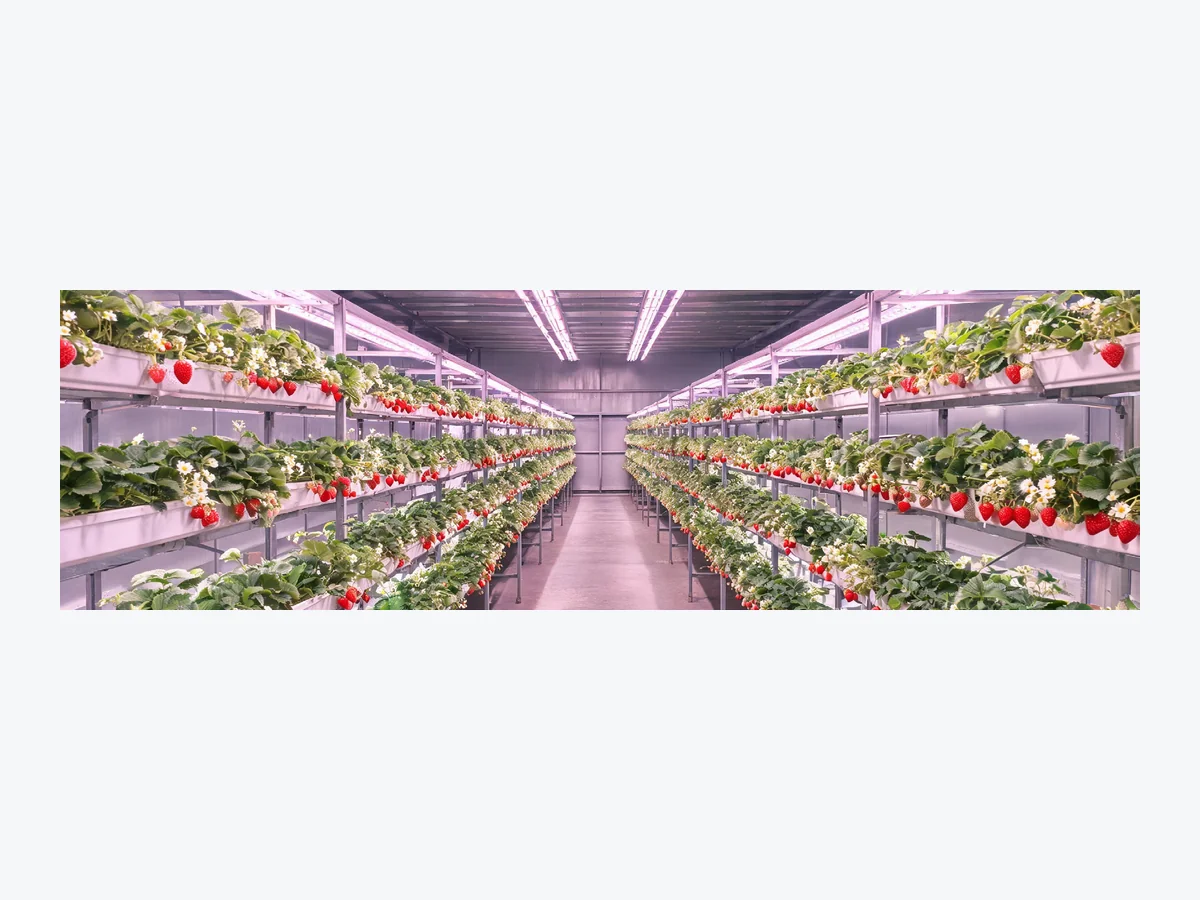
A smart agriculture cabin combines an enclosure, cultivation hardware, environmental equipment and controls. Its useful output depends on how well those parts match a crop plan. Begin with the intended species or cultivar, cultivation method, growth stages, harvest specification and route to market. A mushroom fruiting room and a hydroponic leafy-green module need different operating strategies. Decide whether the module is for a trial, a demonstration or commercial production. Establish realistic responsibilities for substrate or seedling supply, crop care, harvest handling and sales before turning a standard container footprint into a production forecast.
Translate the crop plan into environmental duties
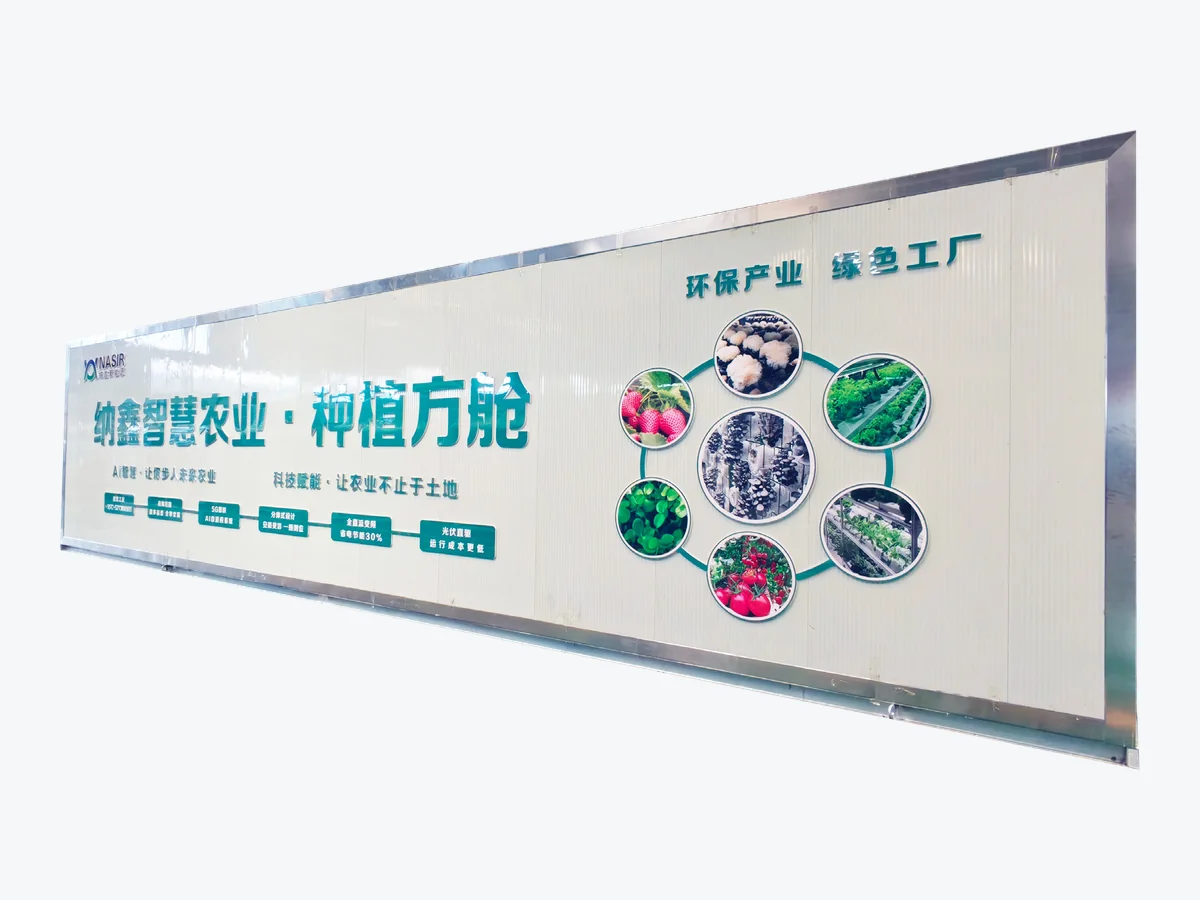
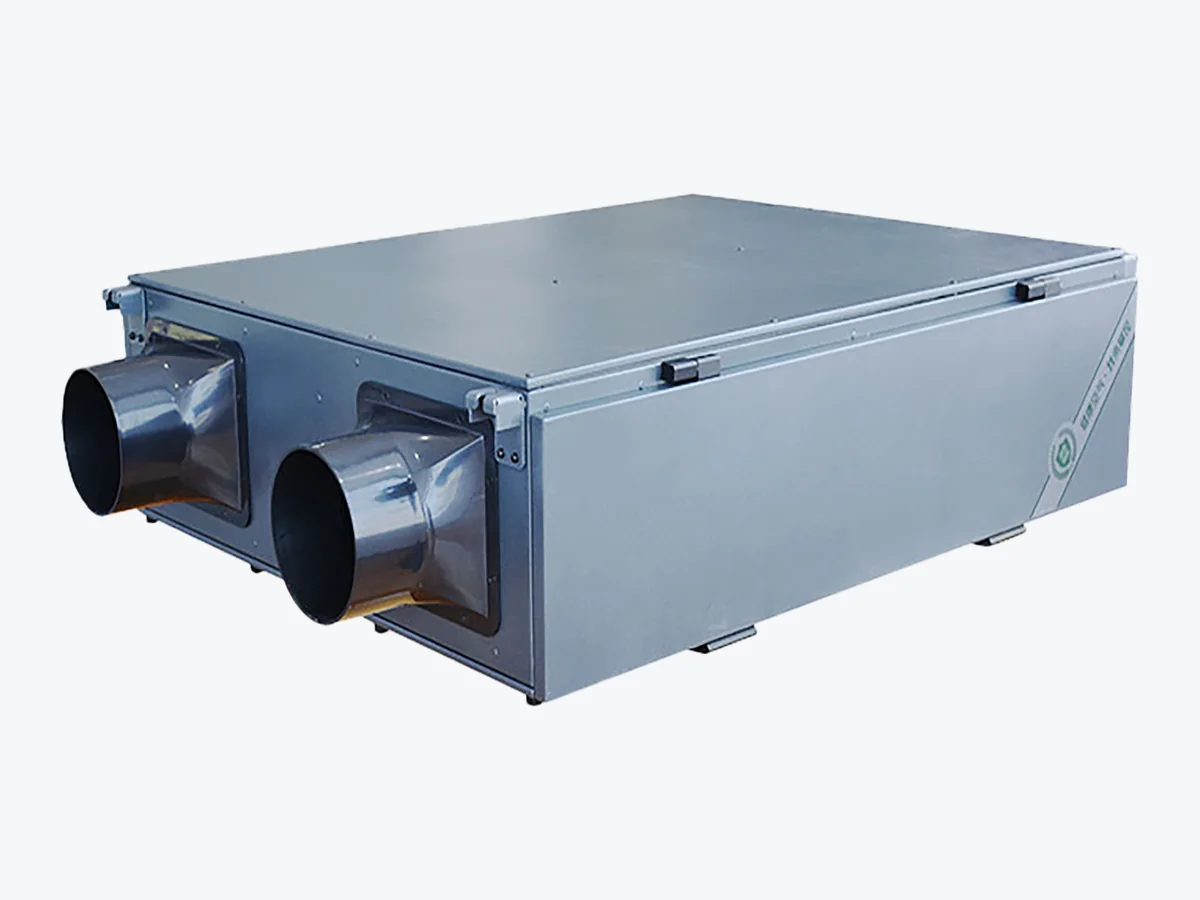
Temperature, humidity, ventilation, carbon dioxide and light interact with crop development, but the appropriate settings vary by crop and stage. Ask the agronomy team to provide a stage-based operating plan, including acceptable variation and recovery after doors open or material is loaded. Climate-control equipment should be selected against those duties and the local design weather. The supplied cabin brochure describes scheduled adjustment of temperature, humidity, CO₂ and light, plus heat-pump conditioning and remote operation. These are useful control functions; successful cultivation still requires a validated recipe and attention to actual growing conditions.
Read nominal equipment data carefully
The supplied NXFR-30ZFC cabin table gives a 12 m by 3 m by 3 m overall envelope and a 380 V, three-phase, 50 Hz power supply. It lists 24.3 kW cooling capacity with 7.8 kW input at outdoor 35°C and indoor 21°C. A separate heating condition gives 30.1 kW output with 8.0 kW input at outdoor 7°C and indoor 20°C. Keep each rating beside its condition. These figures describe equipment performance in the brochure, not a guarantee of marketable harvest, daily energy use or every possible operating combination.
Choose measurements that lead to useful action
Specify the sensors needed by the chosen cultivation method, where they will be installed and how operators will check them. For hydroponics, nutrient solution management has different requirements from mushroom substrate production. The control plan should connect each measurement to a decision, alarm or adjustment, with recorded histories available for review. Separate standard equipment from configured options: the English cabin brochure labels crop-vision functions as a high-end version and harvesting assistance as a top-tier model. Confirm the actual sensor list and functions in the purchase specification, including what happens if communications or a sensor fails.
Budget energy across the whole growing cycle
Evaluate lighting, heating, cooling, ventilation, dehumidification, pumps and controls together. An insulated enclosure can help stabilize conditions, yet annual consumption also depends on crop duty and climate. Cornell’s CEA resources emphasize the significance of both electrical and thermal energy inputs. Ask for a transparent operating model with tariff assumptions, seasonal conditions and defined crop schedules. If photovoltaic equipment is proposed, establish its supplied capacity and how it connects to the site’s electrical system. Compare measured energy per growing cycle with saleable output during trials before committing to a larger cluster of modules.
Commission for access, repeatability and learning
Before crops arrive, verify utilities, drainage, climate operation, alarms, remote access and the ability to clean and service the module. Map the internal growing area separately from overall container dimensions, including racks, work aisles and equipment space. Agree how staff will record crop inputs, environmental conditions, labor, rejected product and marketable harvest. A pilot cycle provides a practical way to check the operating recipe and improve the business assumptions. Expand using documented experience from the intended crop and location. Modular construction helps organize deployment; repeatable production comes from matching equipment, agronomy and daily operating discipline.
Define the trial’s success criteria in advance, including the agreed crop quality and the inputs counted in the comparison. This keeps expansion decisions tied to observed production rather than a generic yield estimate.