
Define the load
Provide maximum and minimum flow, water chemistry, treatment objective and peak operating load.
Recirculating Aquaculture Equipment
Manage carbon dioxide accumulation in intensive culture water through gas transfer.
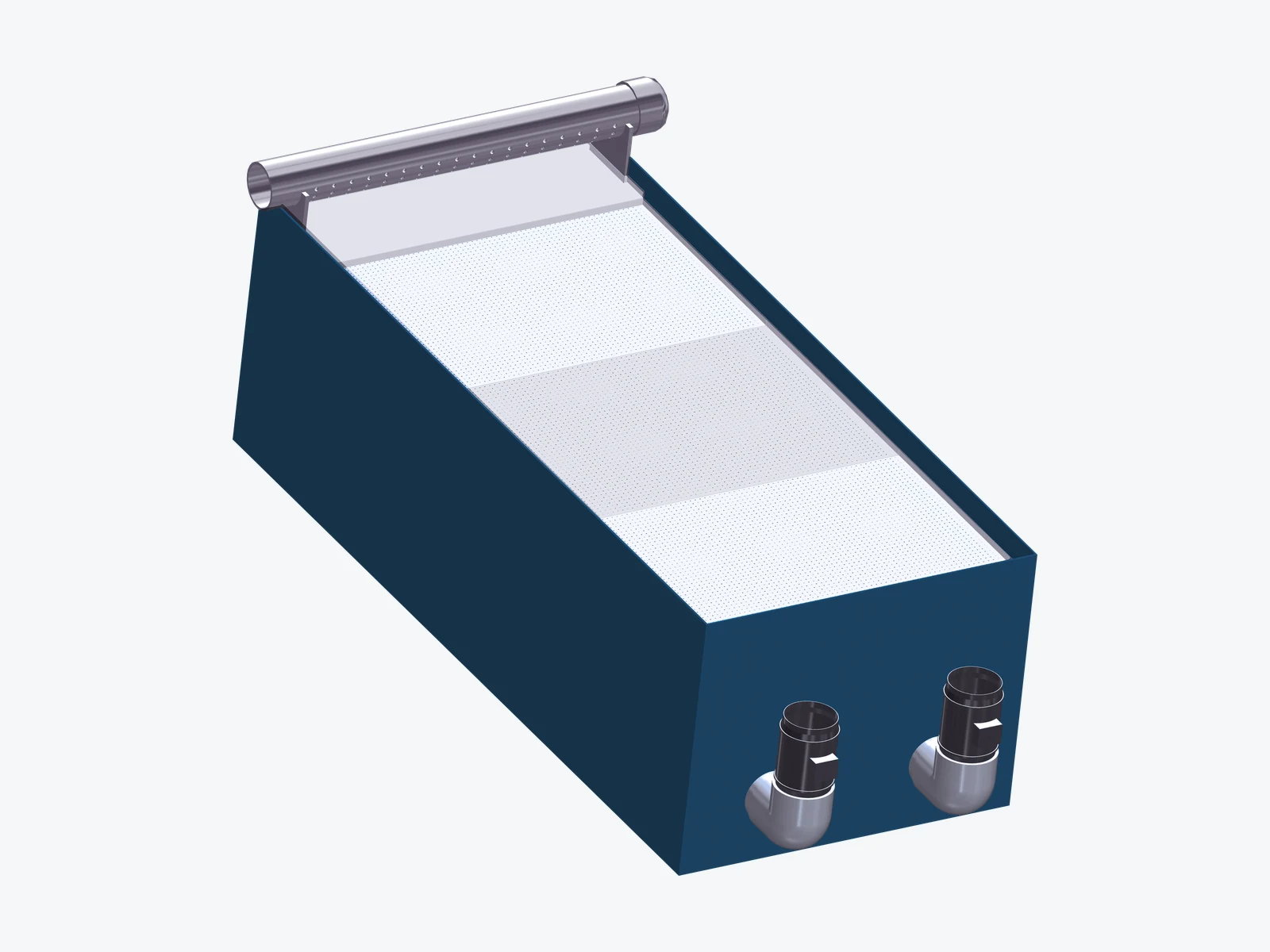 View image
 Technical information
Figures below are transcribed from the stated brochure, where available. Confirm the selected model, conditions and scope in the final technical offer.
| Item | Documented information |
|---|---|
| Selection inputs | CO₂ load, flow, water temperature and ventilation |
| Integration | After biological treatment where appropriate |
Source: 汇鑫能源科技有限公司.pdf p. 28. Brochure information; final scope is agreed in the technical offer.
Equipment selection guide
Provide maximum and minimum flow, water chemistry, treatment objective and peak operating load.
Agree piping or service connections, electrical supply, control interfaces, installation access and the routine cleaning method.
Specify the included equipment, optional configurations, commissioning tasks, acceptance conditions and documentation required.
Operating principle
A gas–liquid contact medium increases exchange between water and air. A difference in carbon dioxide partial pressure drives dissolved CO₂ from the water into the ventilation stream.
Technical approach
Equipment selection guide
Recirculating Aquaculture Equipment
Establish water flow, inlet and target CO₂, temperature, salinity, water distribution, fan duty and exhaust route. No flow or removal-rate table is provided in the brochure.
The training’s example sequence places degassing after biological treatment and before the final UV/oxygenation stages. The final project sequence must be engineered as a whole.
No complete model-specific removal-rate schedule is supplied. The duty must be defined for the individual system.
Continue exploring

Recirculating Aquaculture Equipment
Remove suspended solids early in the water loop, before they add load to downstream treatment.
Recirculating Aquaculture Equipment
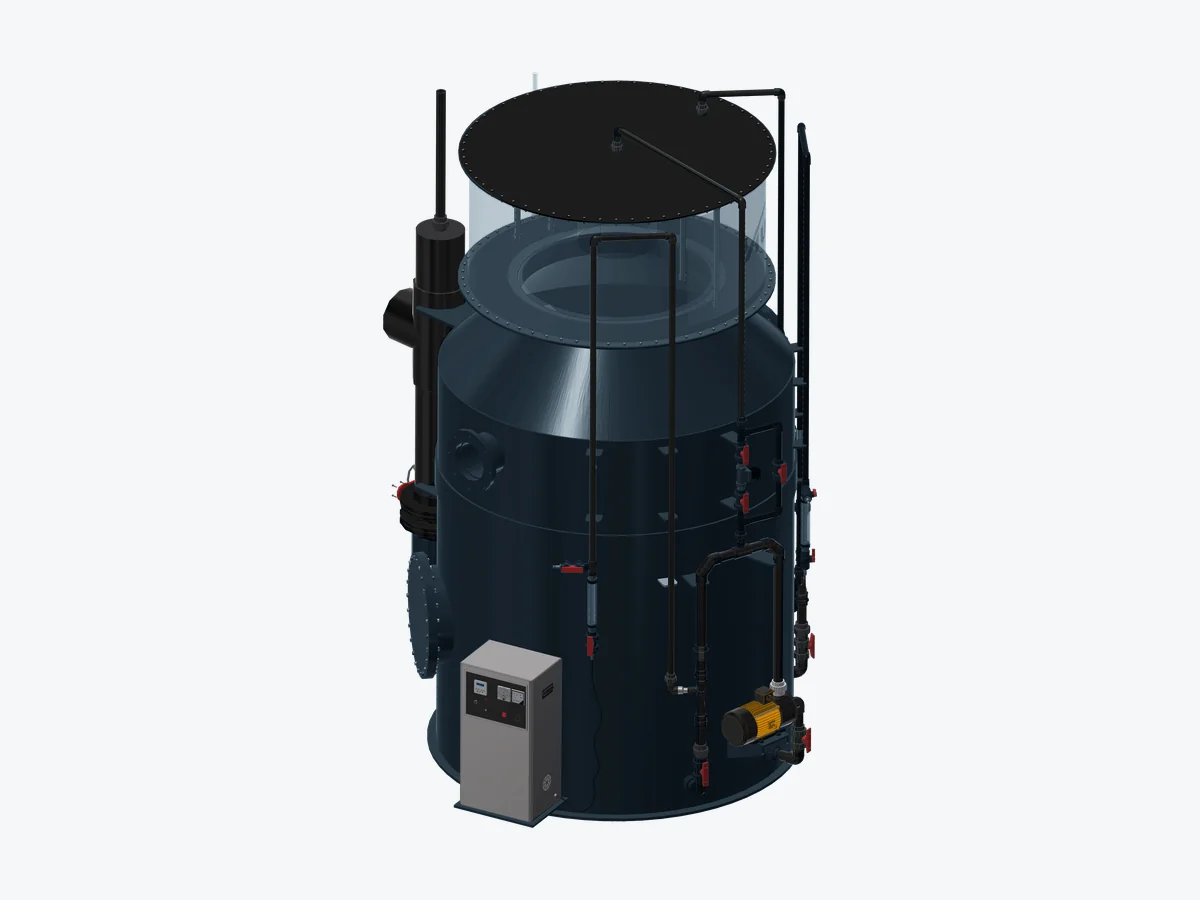
Separate foam-associated organic matter from seawater in hatcheries, aquariums and recirculating aquaculture.
Recirculating Aquaculture Equipment
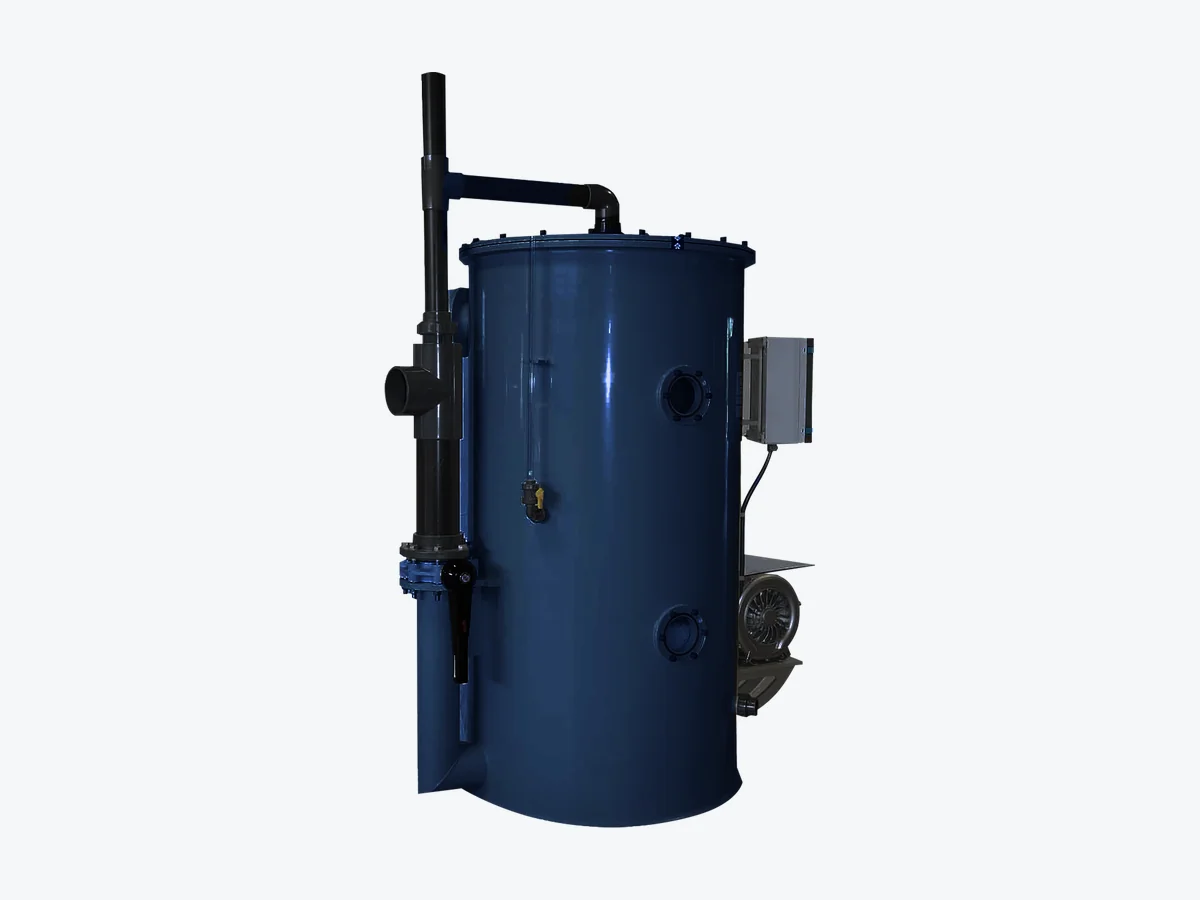
Provide a protected biofilm surface for biological treatment within a properly sized aquaculture water loop.
Start a technical conversation
Share your water flow, temperature duty or cabin requirements so the selected configuration can be discussed.